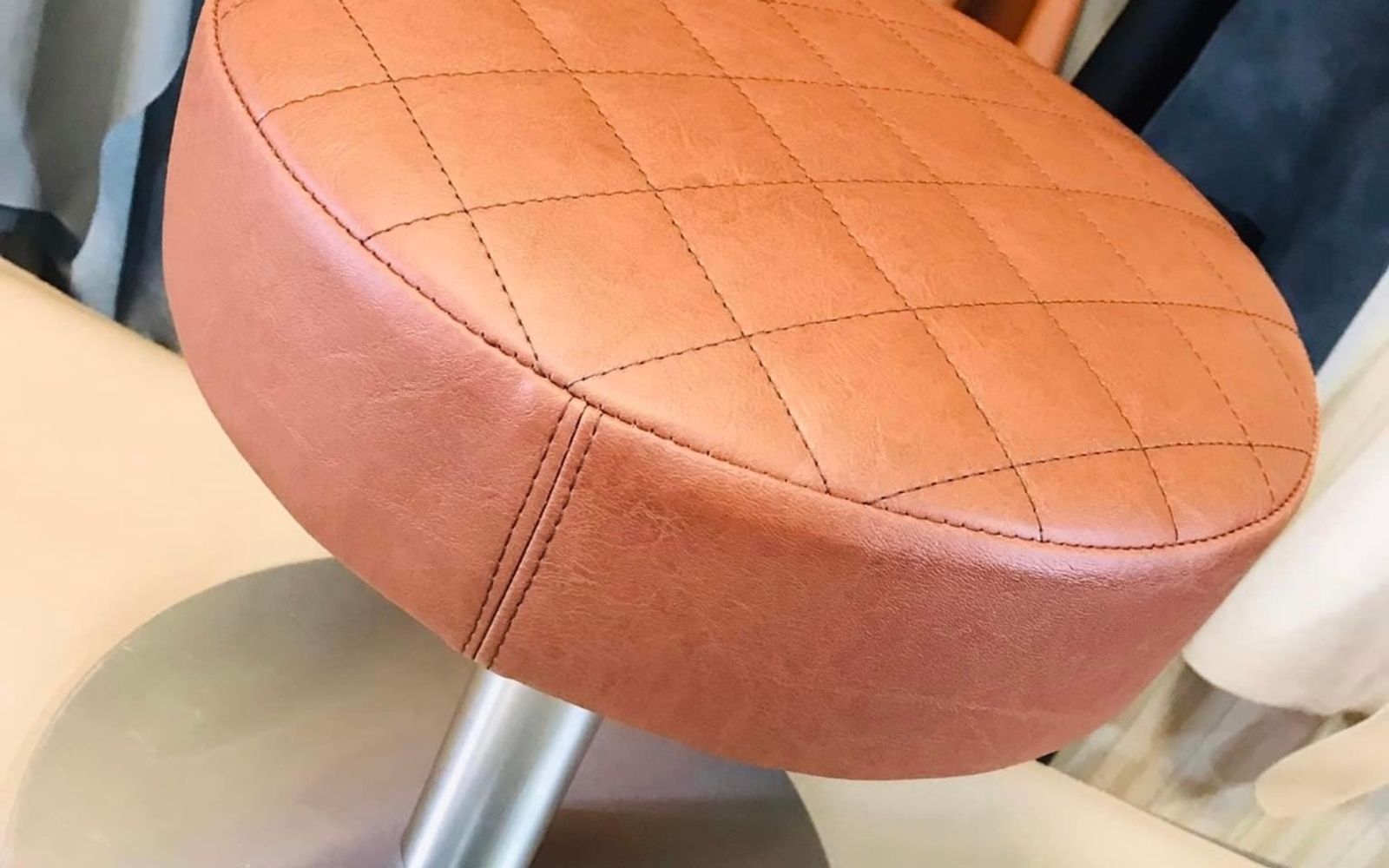
Why start with a prototype?
In a professional upholstery project, a prototype brings the design, use and manufacturing process together. It helps check the shape, comfort, stress points and material compatibility before the solution is repeated across several elements.
Describe the function before choosing the appearance
A seat intended for a vehicle, a retail space or a technical product will not face the same constraints. The brief should state who will use it, how often, in which environment and which areas will receive the most wear.
What should be documented?
- dimensions, shapes and interfaces with the structure;
- materials under consideration and the required level of resistance;
- stitching, piping, logos, colours and visible details;
- expected quantities, tolerances and the inspection method.
Approve one piece before repeating the solution
An intermediate approval prevents a mistake in volume, colour or fitting from being repeated. Prototype photos, samples and team feedback can then establish a reference version for the rest of the project.
Plan repeatability without losing craft expertise
A small series requires patterns, assembly marks and finish choices to be kept consistent. It must still account for real materials and individual parts, since natural materials and older structures can vary.
For a prototype or small-series project, introduce your needs through the professional upholstery service and include drawings, photos and estimated quantities.