The key stages of a car interior restoration
Restoring a car interior does not simply mean replacing a cover. The cabin is a whole: seats, panels, trim, foam, stitching and colours need to work together. The role of an automotive upholsterer is to recover this coherence while taking the vehicle's actual condition and intended use into account.
Make an assessment before taking anything apart
The workshop begins by looking at worn areas, deformations, tears and the elements that can be preserved. It also checks volumes, seat structure and how the parts are assembled. This assessment makes it possible to distinguish a targeted repair from a more complete restoration.
The elements that can be restored
- Seats and backrests, including foam, stitching or panel repairs.
- Door trims and panels when the covering or joins have deteriorated.
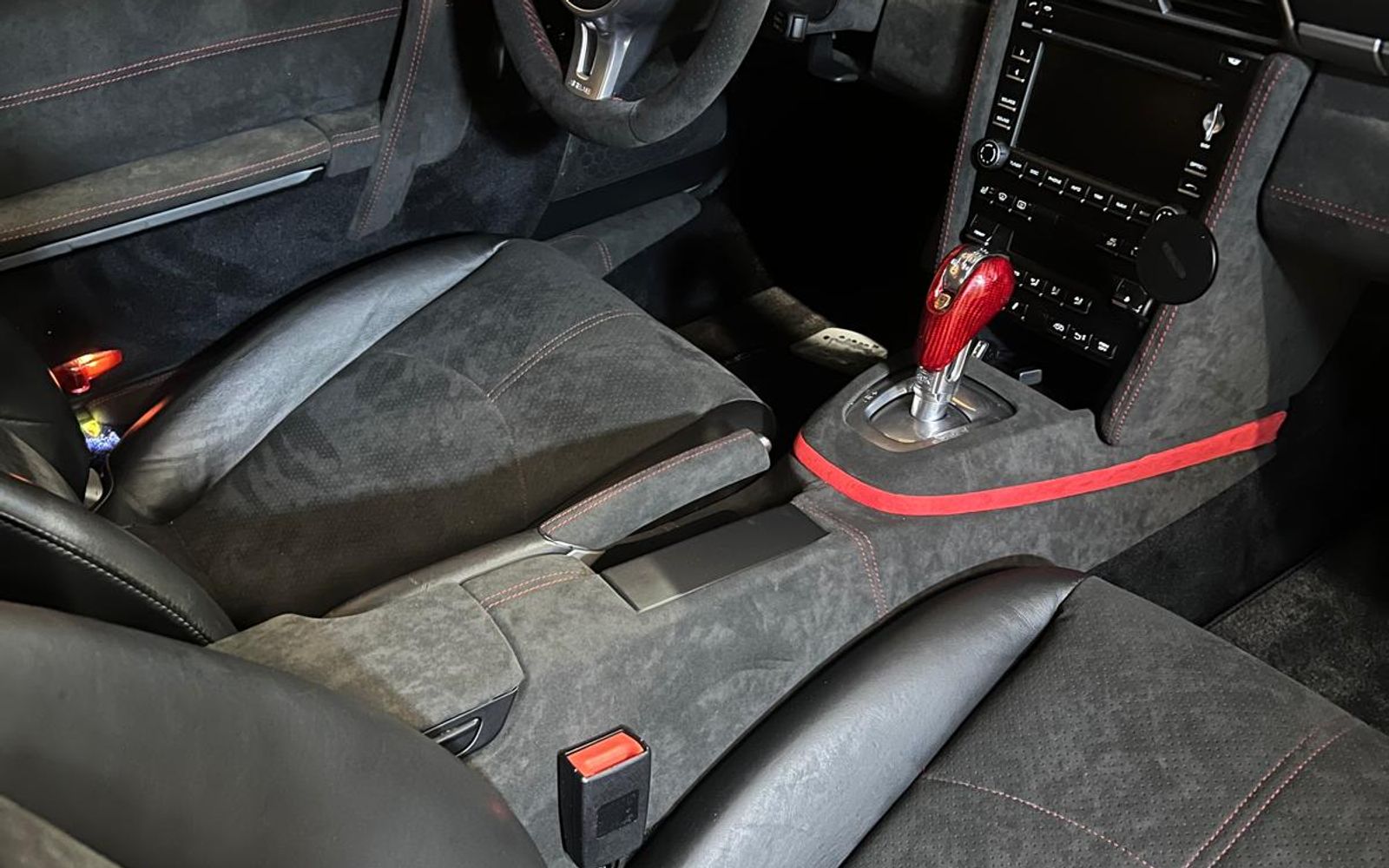
- Finishing details that give the cabin its character: piping, topstitching, inserts and contrasts.
- Areas that need to be harmonised with an existing material when the restoration is partial.
Materials, colours and stitching: building a coherent whole
A material can be chosen for its hand, resistance, grain or ease of care. Colour and sheen matter just as much as the colour itself because they react differently to light. Stitching must then follow the interior lines without creating unnecessary tension.
Preserve the vehicle's character while making it more durable
A faithful restoration can retain the original codes. A custom project can also evolve certain details without erasing the identity of the car. In both cases, precise pattern-making, even tension and careful installation determine the final result.
For a car interior restoration, send photos of the cabin, the vehicle and the damaged areas through the automotive upholstery service. The workshop is in Vernouillet, less than an hour from Paris; items can be dropped off by appointment or entrusted to a carrier.