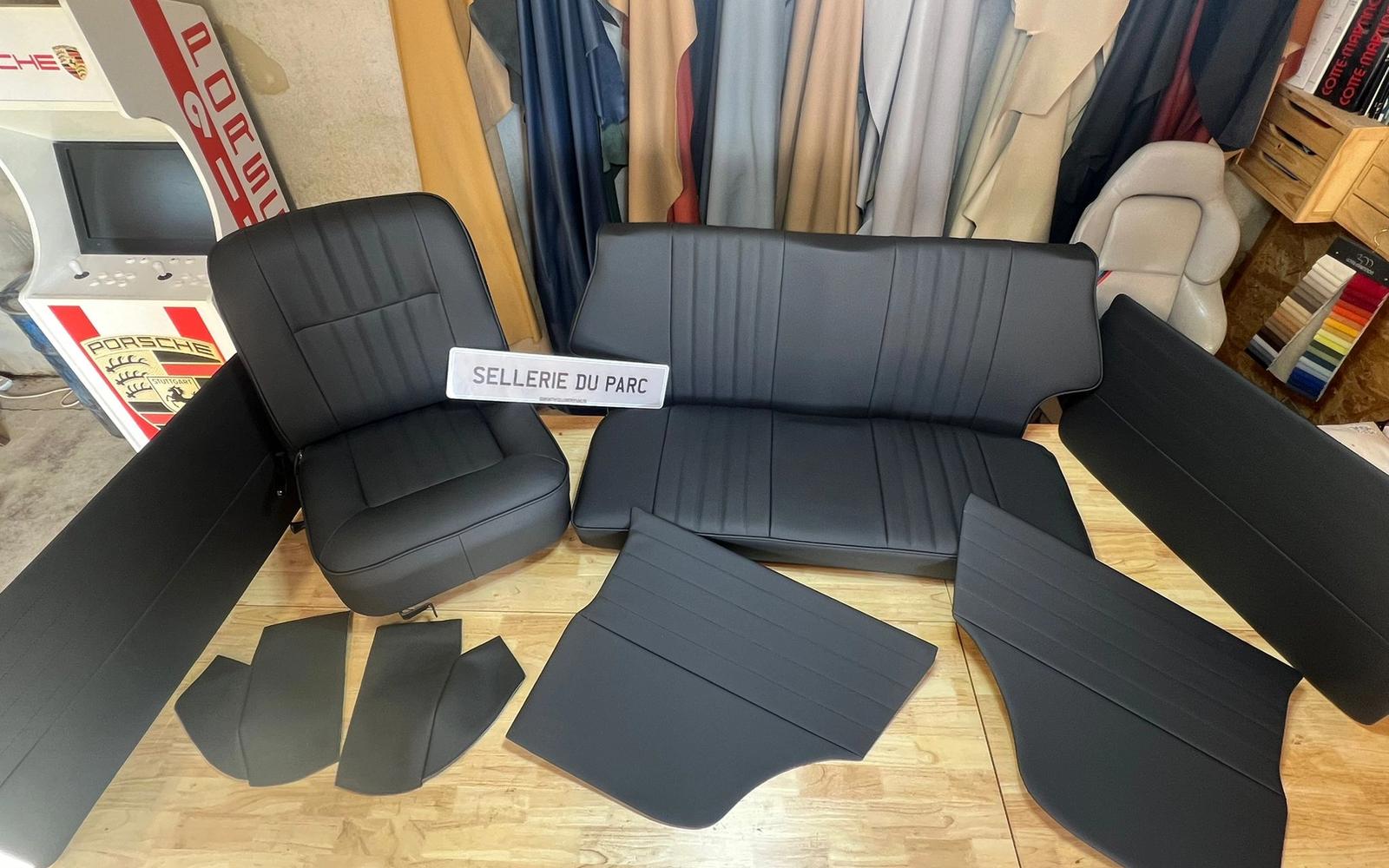
The basics of everyday leather care
Leather lasts longer when it is cared for regularly with products suited to its finish. The goal is not to make it shine at any cost, but to remove dirt, limit drying and spot areas that are beginning to weaken.
Start by identifying the material and its finish
Not all leather reacts in the same way. Pigmented leather, more open-grained leather, faux leather and technical coverings can require different care. If you are unsure, test the product on a discreet area and avoid mixing products whose composition you do not know.
A gentle, regular routine
- Dust with a soft cloth or brush before applying a product.
- Clean small areas with a product intended for the covering, without soaking the material.
- Wipe away residue with a clean cloth and let the surface dry naturally.
- Apply protection sparingly and follow the manufacturer's instructions.
Habits that can accelerate wear
Solvents, household degreasers, abrasive sponges and direct heat can damage colour or surface. Too much product can also leave a film that attracts dust and changes the hand. Leather prefers regular care to one very intensive treatment once a year.
When should you ask an upholsterer's advice?
A tear, opening seam, peeling surface or sagging seat cannot be fixed with a care product. The earlier a weakened area is addressed, the more likely it is that a targeted repair can be considered instead of a larger replacement.
If you are unsure about the condition of your covering, contact the workshop with a few photos. Sellerie du Parc receives projects in Vernouillet, less than an hour from Paris, and can arrange a carrier or collection in exceptional cases.