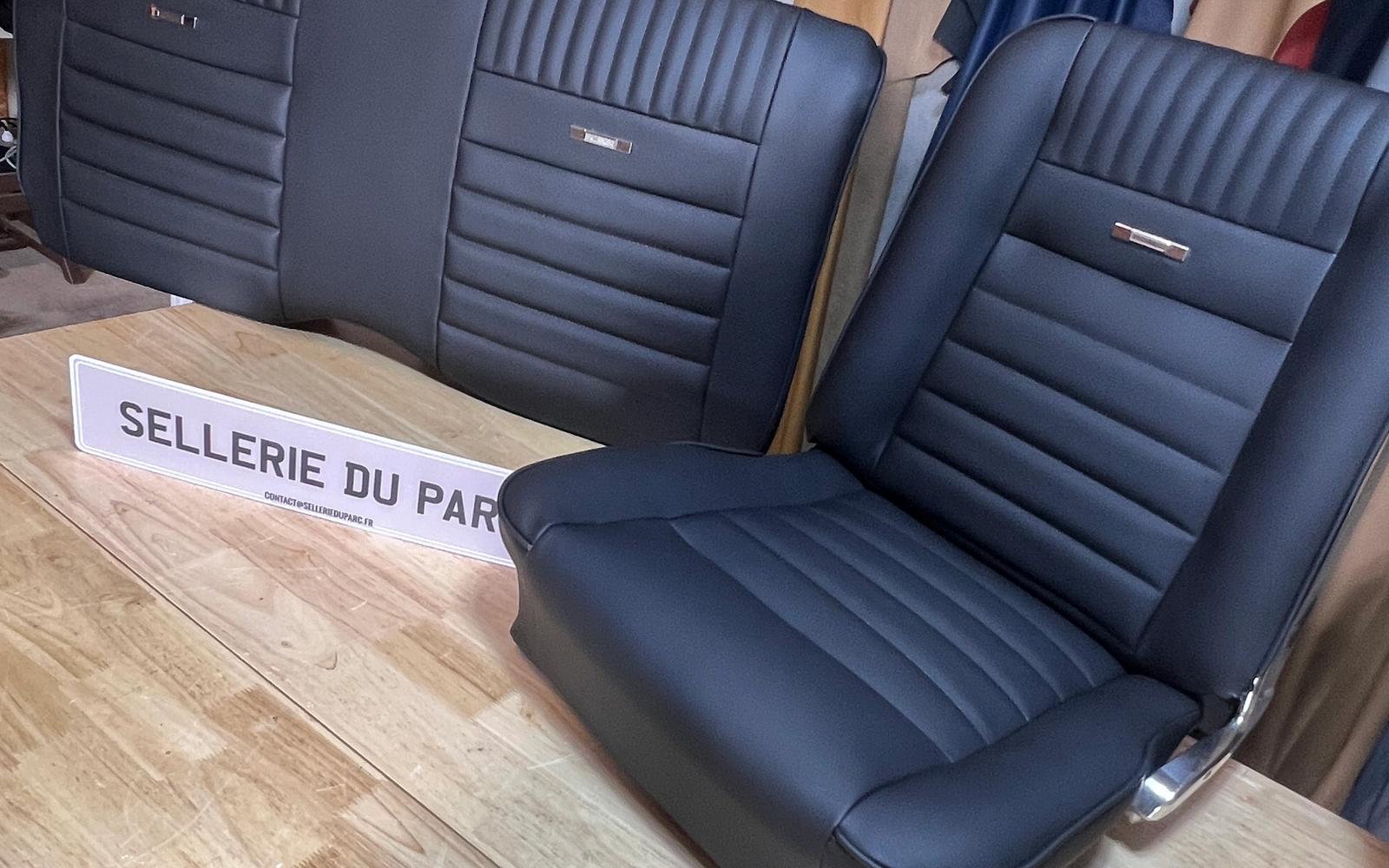
The right solution depends on the actual condition of the seat
Visible wear does not always show what is happening beneath the covering. Leather may be marked but still sound, while a discreet open seam can reveal tension or tired foam. Before deciding, the upholsterer looks at the material, structure, stitching and contact areas.
When a targeted repair may be enough
A small tear, an open seam or a localised area can sometimes be treated without reupholstering the whole seat. Repair makes sense when the surrounding material is still sound and the retouch can blend into the interior.
When a panel should be replaced
A panel that has become too thin, cracked or torn may need replacing to recover a reliable surface. The new piece should match the colour, grain, flexibility and connection with the panels that remain.
When to consider a wider restoration
- several areas of the seat are weakened;
- foam or support no longer provide the expected comfort;
- the material is no longer available or no longer suits the use;
- the project aims to transform the interior rather than simply repair it.
Do not rely on one close-up photo
A wide view of the seat and cabin helps explain the project’s overall consistency. Add photos of the sides, seams, cushion and rubbing areas for a more useful first assessment.
To find out whether your seat can be repaired or should be remade, send photos through the contact page.