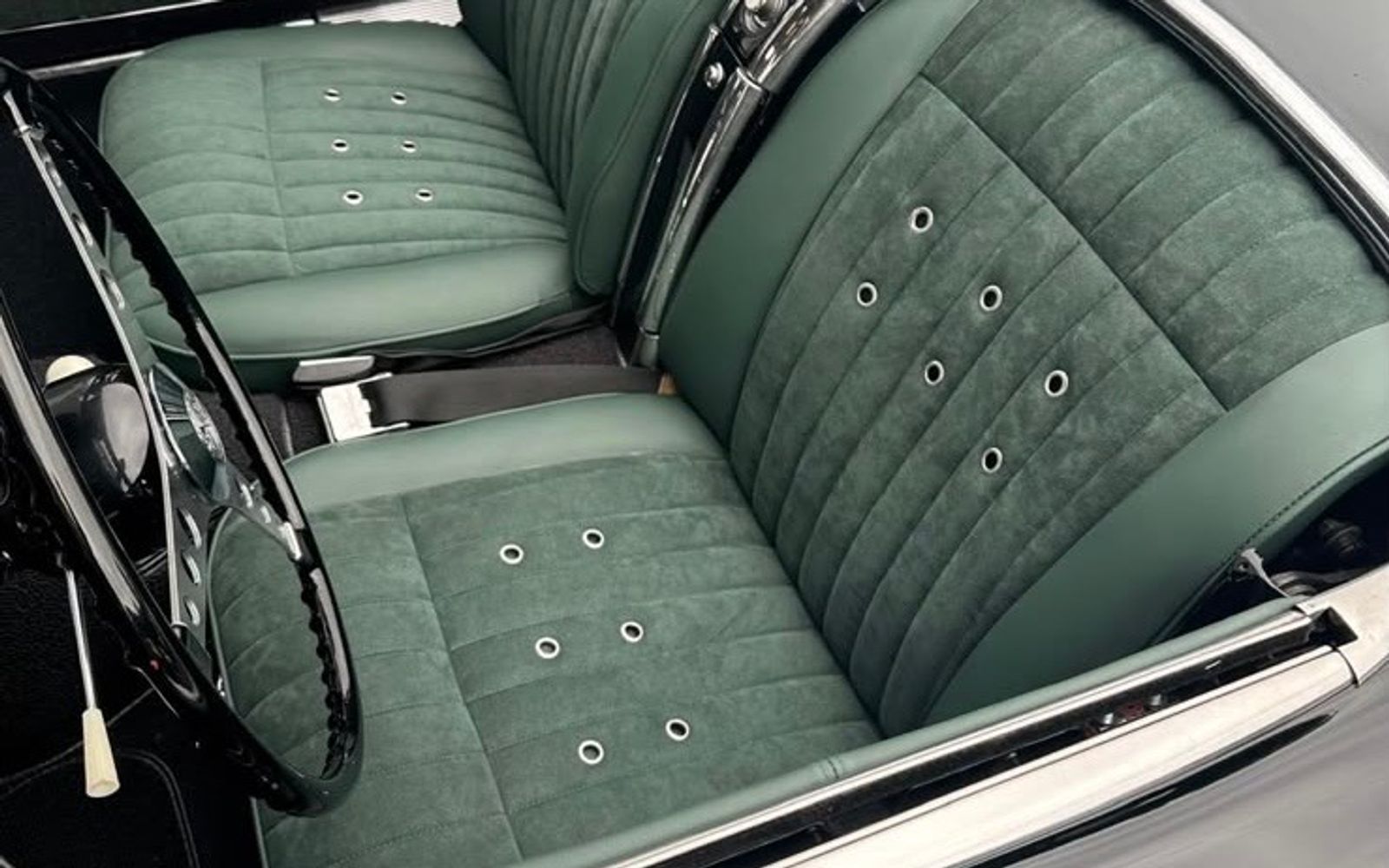
The covering is not the only cause of discomfort
A new cover does not automatically make a seat comfortable. If the foam is compressed, distorted or uneven, the covering may simply reproduce the faults in the cushion. Assessment should therefore look at shape and support before material is chosen.
Visible and felt warning signs
- a cushion that sags more on one side;
- folds or tension appearing unexpectedly in the cover;
- a feeling of sitting on the base or uneven support;
- a backrest or bolster whose shape no longer matches the original.
Rework part or all of the foam
Depending on the condition, a local repair may be enough. In other cases, a larger area needs to be reshaped or replaced to recover a smooth transition between zones. The solution depends on the base, covering and comfort target.
Comfort, shape and safety are different questions
Vehicle safety systems need to be identified before work starts and remain compatible with the upholstery work. An upholstery request does not replace an inspection of a safety device or automotive mechanism.
Describe how the vehicle is used
Daily driving, long journeys, a collector car or professional use can all influence the foam and covering choices. Add photos of the cushion in use and unloaded when they help explain the deformation.
To have a seat or foam assessed, contact the workshop through the automotive upholstery service.