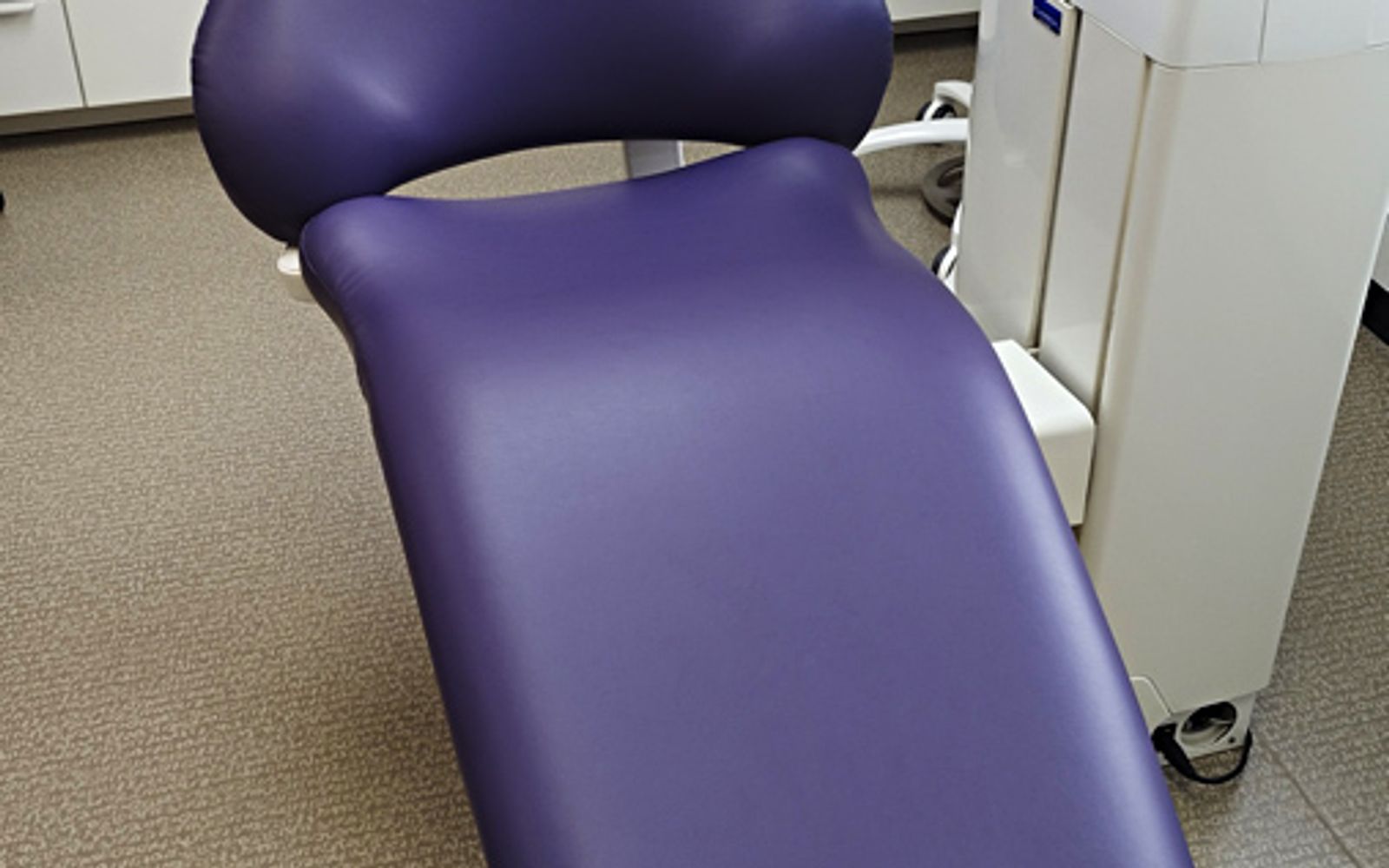
A technical project starts with how the element will be used
Upholstery for a technical or medical environment cannot be chosen for appearance alone. The project needs to explain how the element will be used, cleaned, handled and integrated into its support. This information makes it possible to study feasibility without promising a solution before the need is understood.
Describe the environment and the users
The brief can cover frequency of use, contact with cleaning products, rubbing, staining risks, ergonomic constraints and neighbouring parts. Drawings, photos and existing prototypes are also useful.
Choose materials using clear criteria
- resistance to use and abrasion;
- cleanability according to the actual planned protocol;
- flexibility, comfort and the ability to follow the shape;
- availability, colours and continuity of supply.
Separate the prototype from final approval
A prototype helps check volume, tension, stitching and the interface with the support. Approval should then state what is fixed and what can vary, especially when a natural material or small series is considered.
Work with an identified manufacturing partner
For a professional project, the quality of the exchange matters as much as the making. A precise brief, retained samples and shared inspection criteria make adjustments easier and prevent an upholstery request from being confused with a medical or regulatory certification provided by other specialists.
Introduce your needs through the professional upholstery service so the workshop can study the context, elements and constraints.